
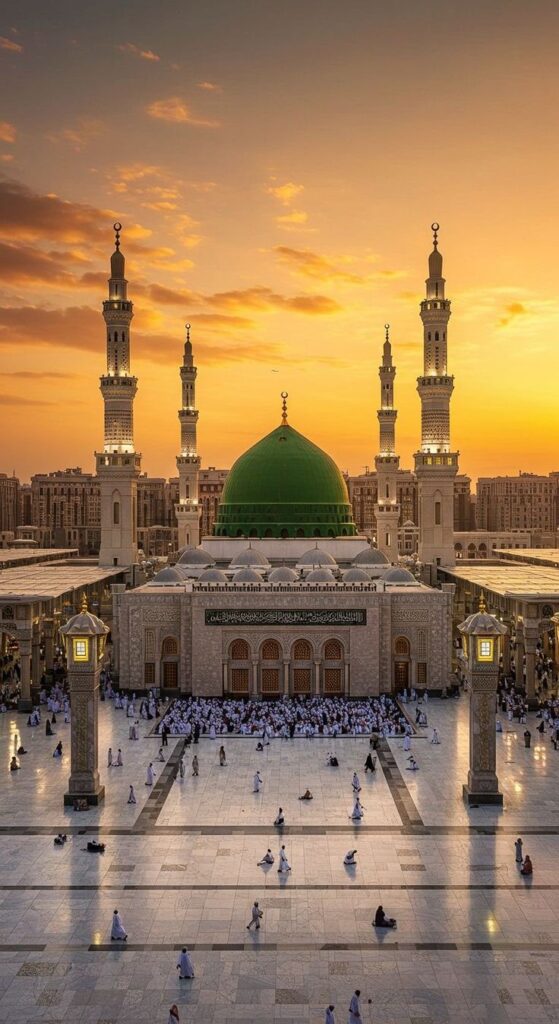
The difference between Hajj and Umrah - Worship of time and spirit
Although some rituals of Hajj and Umrah are similar, there are fundamental differences between them in terms of rulings, timing, and pillars. It is important for every Muslim to know these differences so that they can worship God with insight.
First: From the perspective of Islamic rulings
Hajj: Obligatory for every able-bodied Muslim once in a lifetime, and it is one of the five pillars of Islam.
Umrah: A confirmed Sunnah, but not an obligation according to the majority of scholars, although some jurists consider it obligatory.
Second: From the perspective of time
Hajj: Is valid only during certain months (Shawwal, Dhu al-Qadah, and some days of Dhu al-Hijjah).
Umrah: Can be performed at any time of the year, without any time restriction.
Third: From the perspective of rituals
Hajj: Contains more pillars, the most important of which is standing at Arafah, which cannot be made up. Anyone who misses Arafah has missed Hajj.
Umrah: Consists of Ihram, Tawaf, Sa’i, and shaving or trimming the hair. It does not include standing at Arafat or spending the night in Mina or Muzdalifah.
Fourth: Duration and Cost
Hajj: Takes many days (approximately 5 to 7 days), requires more preparation and higher costs.
Umrah: Can be completed in one or two days, and costs much less.
Fifth: In terms of merit and reward
Both have great merit, but an accepted Hajj brings no less than Paradise as a reward. Umrah, on the other hand, expiates sins, multiplies good deeds, and serves as a spiritual bridge between the servant and his Lord.
Conclusion:
Hajj and Umrah are two great acts of worship in Islam, and each has a special impact on the Muslim. Hajj embodies the pinnacle of obedience and submission, while Umrah represents spiritual purity and renewed faith. Whoever is granted the ability to perform Hajj and Umrah will have achieved great goodness, as they are among the greatest acts of worship that bring a servant closer to his Lord and open for him the door of mercy and forgiveness.
First: From the perspective of Islamic rulings
Hajj: Obligatory for every able-bodied Muslim once in a lifetime, and it is one of the five pillars of Islam.
Umrah: A confirmed Sunnah, but not an obligation according to the majority of scholars, although some jurists consider it obligatory.
Second: From the perspective of time
Hajj: Is valid only during certain months (Shawwal, Dhu al-Qadah, and some days of Dhu al-Hijjah).
Umrah: Can be performed at any time of the year, without any time restriction.
Third: From the perspective of rituals
Hajj: Contains more pillars, the most important of which is standing at Arafah, which cannot be made up. Anyone who misses Arafah has missed Hajj.
Umrah: Consists of Ihram, Tawaf, Sa’i, and shaving or trimming the hair. It does not include standing at Arafat or spending the night in Mina or Muzdalifah.
Fourth: Duration and Cost
Hajj: Takes many days (approximately 5 to 7 days), requires more preparation and higher costs.
Umrah: Can be completed in one or two days, and costs much less.
Fifth: In terms of merit and reward
Both have great merit, but an accepted Hajj brings no less than Paradise as a reward. Umrah, on the other hand, expiates sins, multiplies good deeds, and serves as a spiritual bridge between the servant and his Lord.
Conclusion:
Hajj and Umrah are two great acts of worship in Islam, and each has a special impact on the Muslim. Hajj embodies the pinnacle of obedience and submission, while Umrah represents spiritual purity and renewed faith. Whoever is granted the ability to perform Hajj and Umrah will have achieved great goodness, as they are among the greatest acts of worship that bring a servant closer to his Lord and open for him the door of mercy and forgiveness.