
Hajj in Islam – the worship of a lifetime and the spirituality of time and place
Hajj is one of the five pillars of Islam. It was made obligatory for Muslims in the ninth year of the Hijra. It is an act of worship that unites the body and soul, between submission and obedience, and between striving to draw closer to God and absolve oneself of sin. God Almighty says in His Holy Book: “And Hajj to the House is a duty that mankind owes to God, those who can afford the expenses (for one’s expenses).” [Al Imran: 97]
Hajj is obligatory once in a lifetime for every sane, adult Muslim who is able to undertake it. It is a living embodiment of Islamic unity, as millions of Muslims of different nationalities, ethnicities, and languages come together in one place, answering a single call, wearing a unified attire, and performing the same rituals. All of this reflects the complete equality of all human beings before God.
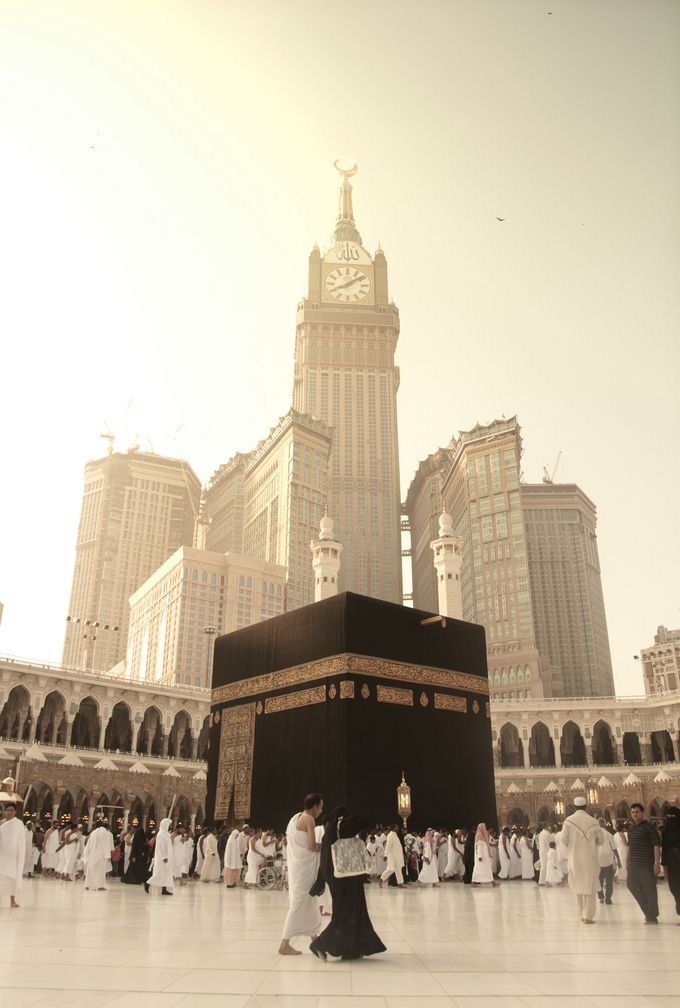
The pilgrim’s journey begins with the Ihram at the Miqat (place of worship), then heads to Mecca to perform the Tawaf (circumambulation) around the Kaaba, followed by the Sa’i (walking between Safa and Marwa). On the Day of Tarwiyah (8 Dhul-Hijjah), pilgrims head to Mina, then to Arafat, where the greatest pillar of Hajj is standing. The Prophet (peace and blessings be upon him) said, “Hajj is Arafat.”
After standing in Arafat, pilgrims spend the night in Muzdalifah, then stone the Jamarat al-Aqaba al-Kubra, perform the sacrifice of the sacrificial animal, and shave or trim their hair. They then perform the Tawaf al-Ifadah and return to Mina to stone the Jamarat during the Days of Tashreeq. Finally, they perform the Farewell Tawaf upon leaving Mecca.
The virtue of Hajj is immense, as the Prophet (peace and blessings be upon him) explained when he said, “Whoever performs Hajj for the sake of Allah and does not utter obscenities or commit sins, returns as on the day his mother bore him.” Hajj erases sins, purifies the soul, strengthens the connection with Allah, and teaches Muslims patience, discipline, and sacrifice.
One of the most sublime meanings of Hajj is that it is a reminder of the Day of Judgment, when everyone will stand on a single plain, without distinction or boasting, awaiting mercy and forgiveness. Hajj also fosters discipline in the soul and teaches Muslims how to live in a community spirit and participate with their brothers in rituals, supplications, and work.
Hajj is obligatory once in a lifetime for every sane, adult Muslim who is able to undertake it. It is a living embodiment of Islamic unity, as millions of Muslims of different nationalities, ethnicities, and languages come together in one place, answering a single call, wearing a unified attire, and performing the same rituals. All of this reflects the complete equality of all human beings before God.
The pilgrim’s journey begins with the Ihram at the Miqat (place of worship), then heads to Mecca to perform the Tawaf (circumambulation) around the Kaaba, followed by the Sa’i (walking between Safa and Marwa). On the Day of Tarwiyah (8 Dhul-Hijjah), pilgrims head to Mina, then to Arafat, where the greatest pillar of Hajj is standing. The Prophet (peace and blessings be upon him) said, “Hajj is Arafat.”
After standing in Arafat, pilgrims spend the night in Muzdalifah, then stone the Jamarat al-Aqaba al-Kubra, perform the sacrifice of the sacrificial animal, and shave or trim their hair. They then perform the Tawaf al-Ifadah and return to Mina to stone the Jamarat during the Days of Tashreeq. Finally, they perform the Farewell Tawaf upon leaving Mecca.
The virtue of Hajj is immense, as the Prophet (peace and blessings be upon him) explained when he said, “Whoever performs Hajj for the sake of Allah and does not utter obscenities or commit sins, returns as on the day his mother bore him.” Hajj erases sins, purifies the soul, strengthens the connection with Allah, and teaches Muslims patience, discipline, and sacrifice.
One of the most sublime meanings of Hajj is that it is a reminder of the Day of Judgment, when everyone will stand on a single plain, without distinction or boasting, awaiting mercy and forgiveness. Hajj also fosters discipline in the soul and teaches Muslims how to live in a community spirit and participate with their brothers in rituals, supplications, and work.